

Can Your Dog Be Trusted Off Leash?

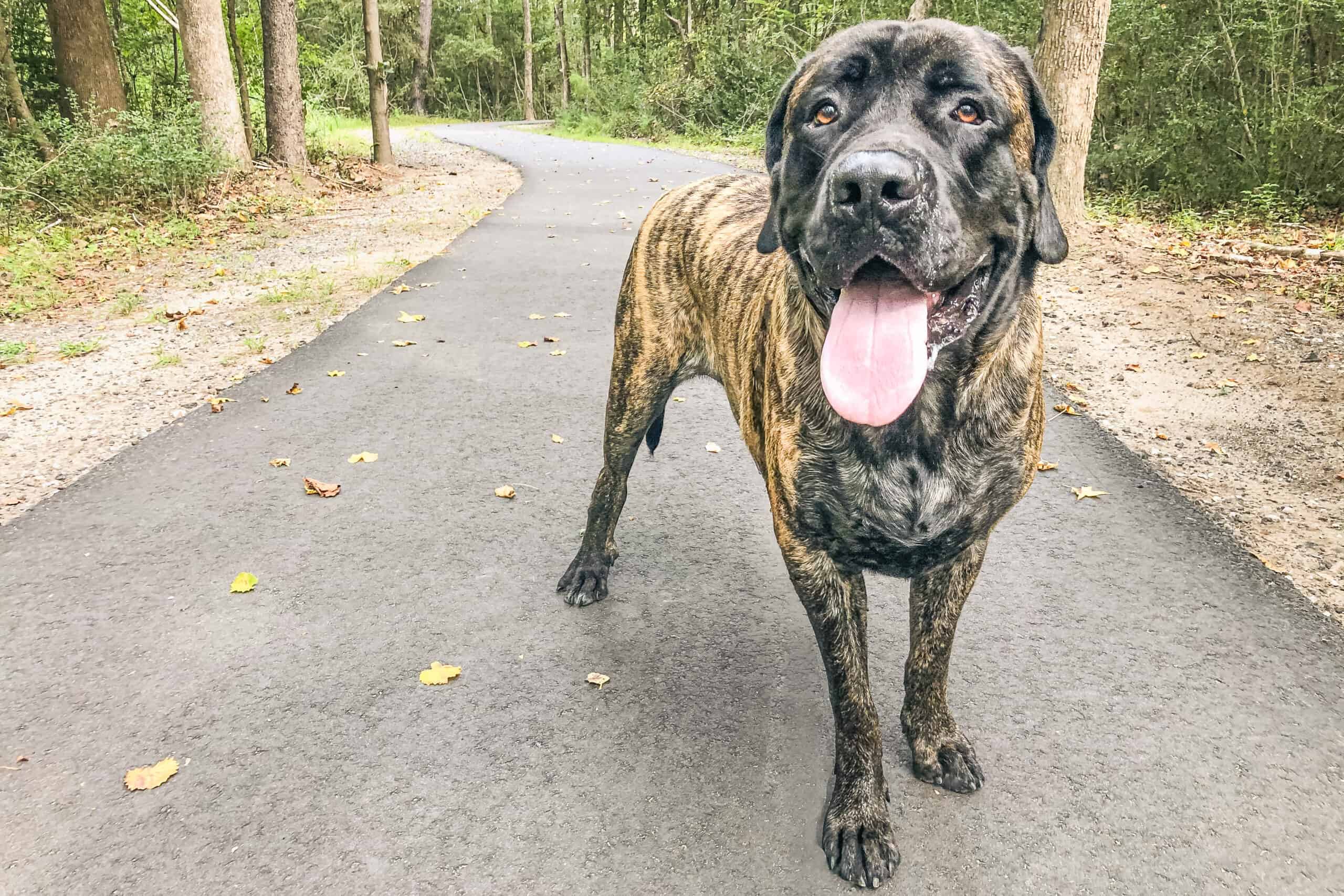
YYou are at the beach early, before the heat, and a few yards down the sand a dog is doing the thing you have pictured a hundred times. Running flat out toward the water, then wheeling around at a single word from across the dunes and trotting back like it was the best idea they ever had. The owner barely looked up. You glance down at your own dog, clipped to six feet of leash, watching that other dog with their whole body, and something in your chest tightens. Not jealousy. More like a quiet ache. I would love to give mine that. I just do not trust what happens if I let go.
Here is what I want you to know, because almost no one says it plainly. The thing standing between your dog and that kind of freedom is not how well they listen. It is something quieter, and it is more fixable than you think.
The leash is hiding a question, not answering it
For most people, the leash starts as a sensible safety measure and slowly becomes a permanent answer to a question they stopped asking. The question is this: would my dog choose to come back to me if they had the option not to. It is easier to never find out. So the leash stays on, the long line stays clipped, the gate stays shut, and the parts of life you imagined sharing with your dog get smaller without anyone deciding that they should.
There is usually one memory underneath it. A door left open and a dog who became a fast-disappearing shape down the street. A trailhead where a deer broke from the trees and your dog was gone before the leash even registered in your hand, your voice bouncing off the woods while your heart climbed into your throat. After a moment like that, the leash is not paranoia. It is the only thing that has ever felt like enough.
Recall is not a command. It is a relationship.
Most of us are taught to train coming-when-called the way we would train a vending machine. Put in the right cue, get the right behavior out. Say the word, the dog appears. So when the dog does not appear, the instinct is to drill the word harder, buy a stronger cue, get louder, get firmer.
But a dog who comes back to you in the open, with a whole world of better options in front of them, is not following a command. They are making a choice. They are choosing you over the squirrel, you over the surf, you over the other dog across the field. And you cannot drill a choice like that into a dog. You can only build the kind of relationship where you are the better option.
A dog who comes back in the open is not following a command. They are choosing you over everything else in that field.
Why “come” stops working at the worst moment
You may already know this dog. Flawless down the hallway. Comes every time in the backyard. Then you get somewhere open and exciting and it is as if they have never heard the word in their life. People take this personally, as if the dog is being stubborn or spiting them. They are not. The cue did not break. It got outbid.
When the environment is more interesting than you are, a trained word loses, because the dog is weighing two options and the other one is winning. The beach, the trail, the dog park are not calm places where your dog can easily hear you. They are floods of smell and movement and possibility, and a dog who is in over their head with all of it cannot make a thoughtful choice any more than you could do calm math in the middle of a concert. The work is not a louder word. It is teaching your dog to stay connected and able to think while the world gets loud, one manageable step at a time.
The check-in is the real skill
Watch a dog who is reliable off leash and you will notice something they are almost never given credit for. They keep checking in. Not because anyone tells them to. The connection runs in the background, a glance over the shoulder, a drift back into range, a small loop out and back, all on the dog’s own initiative. The reliability you are watching is not a tight radius enforced by an anxious owner. It is a dog who simply likes to keep tabs on their person.
In all the years I have done this, the dogs who range the farthest and look the most free are almost always the ones who check in the most. That is the quiet secret of off-leash freedom. The dog is not staying close because they have to. They are choosing to stay connected, and the connection is what makes the distance safe.
Off-leash freedom is not the absence of a leash. It is the presence of a connection strong enough that you do not need one.
What it looked like for one dog
I once worked with a husky named Luna who could not let a moving animal go by. Squirrels, cats, birds, it did not matter. If it darted, she was already gone, and her owners spent every walk braced for the lunge.
Luna was not being defiant. Chasing is one of a dog’s deepest drives, the seeking-and-hunting wiring that makes her feel most alive, and you cannot scold a dog out of something that runs that deep.
So we did not try to make the squirrel less interesting. We made Luna’s owners more interesting, building games between them that reached the same deep place the chase did and gave that drive somewhere joyful to go. Over time, checking in with her people stopped being the dull option. It became its own kind of thrill.
One day they were deep into a long walk in the Francis Marion forest when a buck stepped out of the trees, ten feet off the path. The kind of moment that, months earlier, would have ended with Luna gone and her owners’ hearts in their throats. Instead Luna looked at the buck, then looked back at her people. They lit up, started one of her games, and she came flying back to them, thrilled, choosing the thing they had built together over the biggest temptation those woods could offer. Nobody made her come back. She wanted to.
What freedom buys you
When the trust is there, the change is not only your dog’s. It is the shape of your whole life together. The trails you drove past because they were not fenced. The beach mornings where your dog gets to be a dog and you get to exhale. The simple, daily freedom of a dog who can be loose in the yard, off the line on a quiet path, part of more of your life instead of managed at the edge of it. You stop choosing where you go by what is safe and start choosing by what you would love. That is the real prize, and it is bigger than recall.
What this looks like at Well Mannered Dog
This is the heart of our Freedom Program. We built it for the dog who already has good foundations but cannot yet be trusted where it counts, and for the owner who is tired of watching other people’s dogs run free.
We do not start with a stronger recall. We start with connection, with becoming the thing your dog chooses, and then we build reliability outward into the actual places you want to explore: the beaches, the trails, the parks here around Charleston, not a quiet room that looks nothing like real life. We expand your dog’s freedom in steps small enough that they keep succeeding, on a long line until the line is no longer the thing keeping everyone safe. And because lives look different, the program runs in formats that fit yours, from day training to owner weekends to a full immersion stay.
You can read the whole approach on the Freedom Program page. The short version is this: we are not trying to control your dog into staying close. We are helping your dog want to.
A different kind of life is possible
The dog at the end of your leash is not the reason you cannot have this. The leash has just been doing a job that connection is meant to do, and connection can be built. If you are tired of the long line and the closed gate and the places you drive past, let’s talk about your dog and what off-leash life could look like for the two of you. A discovery session is just a conversation, no pressure, where we figure out together whether we are the right fit.
Let’s open up your dog’s world

Off-leash freedom starts with connection, and connection can be built. Tell us about your dog and where you wish you could take them, and we will help you get there.